
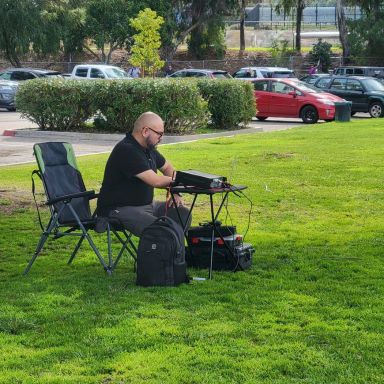
Getting your ham radio operator license can be a rewarding experience. Here’s a step-by-step guide to help you through the process:
### Step 1: Understand the License Classes
In the U.S., there are three main classes of amateur radio licenses:
- 1. **Technician**: Entry-level license, allows access to VHF and UHF bands.
- 2. **General**: Intermediate license, grants privileges on HF bands.
- 3. **Extra**: Highest level, provides access to all amateur bands and modes.
### Step 2: Study the Material
- 1.
**Choose a Study Method**: You can study from books, online courses, or attend local classes. Popular resources include:
- - ARRL (American Radio Relay League) study guides.
- - Online platforms like HamStudy.org.
- - Local amateur radio clubs that offer classes.
**Focus on Key Topics**: Make sure to cover:
- - Basic radio theory.
- - Operating procedures.
- - FCC rules and regulations.
- - Safety practices.
### Step 3: Practice with Sample Exams
- - Use online practice tests to familiarize yourself with the question format.
- - The Technician exam consists of 35 questions, and you need a passing score of 26.
### Step 4: Find a Testing Location
- 1.
**Locate a VE Team**: Volunteer Examiners (VEs) conduct the exams. You can find a local VE team through:
- - ARRL's website.
- - Local amateur radio clubs.
- - Websites like QRZ.com.
**Schedule Your Exam**: Contact the VE team to find out about exam dates and locations.
### Step 5: Take the Exam
- - Arrive on time, bring a valid photo ID, and pay any required fees (often around $15).
- - The exam is usually multiple-choice and takes about 30 minutes.
### Step 6: Wait for Your License
- - After passing the exam, the VEs will submit your application to the FCC.
- - You can check the status of your application on the FCC's Universal Licensing System (ULS).
### Step 7: Get On the Air
- 1. **Set Up Your Equipment**: Start with a handheld transceiver (HT) for VHF/UHF bands.
- 2. **Join a Local Club**: Connecting with experienced operators can help you learn and find opportunities to operate.
- 3. **Follow Operating Practices**: Be sure to adhere to FCC regulations and good amateur practices.
### Step 8: Upgrade Your License
- - If you want more privileges, consider studying for the General or Extra license. The process is similar but covers more advanced topics.
### Additional Tips
- - **Stay Informed**: Follow amateur radio news and join forums for advice and updates.
- - **Participate in Activities**: Engage in contests, field days, or local nets to build your skills and network.
### Conclusion
Getting your ham radio license opens up a world of communication and community. Take your time studying, and enjoy the journey into amateur radio! Good luck!
Comments
to comment.
Find examination places in San Diego, CA.
https://hamstudy.org/sessions/SDHAM/all