
# The Vital Role of Ham Radio in Emergency Situations
## Introduction
In times of crisis, effective communication is essential for coordinating emergency responses and ensuring public safety. While modern technology often relies on cell networks and the internet, these systems can fail during disasters. This is where ham radio, or amateur radio, becomes a crucial lifeline. With its ability to operate independently of conventional infrastructure, ham radio can play a pivotal role in emergency situations. This article explores how ham radio can assist during emergencies and why it is an invaluable resource for individuals and communities.
## Why Ham Radio?
### 1. **Independence from Infrastructure**
Ham radio operates on a variety of frequencies and does not depend on traditional communication networks. This independence allows operators to maintain communication even when cell towers are down or power outages occur. This resilience is critical in emergencies, ensuring that information can flow freely regardless of the circumstances.
### 2. **Long-Distance Communication**
Ham radio operators can communicate over vast distances using High Frequency (HF) bands, which can bounce signals off the ionosphere, reaching stations thousands of miles away. This capability is particularly useful for relaying information to agencies or groups outside the immediate area, facilitating assistance and resource allocation.
### 3. **Rapid Deployment**
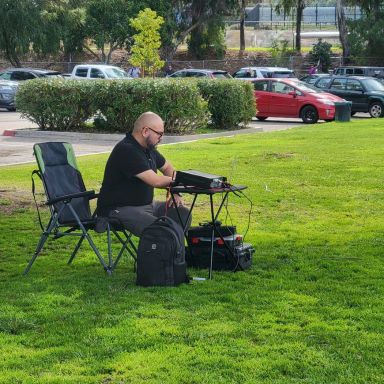
Ham radio equipment is generally portable and easy to set up, allowing operators to establish communication networks quickly. Whether in a home, vehicle, or temporary field station, ham radio can be operational in a matter of minutes, making it an ideal choice for emergency responders.
## How Ham Radio Assists in Emergencies
### 1. **Emergency Communication Networks**
Organizations like the Amateur Radio Emergency Service (ARES) and the Radio Amateur Civil Emergency Service (RACES) are dedicated to providing communication support during emergencies. These groups train operators to work together, creating networks that can disseminate information and coordinate responses effectively.
### 2. **Support for Emergency Services**
Ham radio operators often collaborate with local emergency management agencies. During disasters, they can provide essential communications for first responders, ensuring they have the information needed to carry out their duties effectively.
### 3. **Community Alerts and Updates**
During emergencies, ham radio can serve as a vital source of local information. Operators can broadcast updates on weather conditions, evacuation orders, and safety instructions, helping to keep communities informed and safe.
### 4. **Training and Preparedness**
Many amateur radio operators participate in regular drills and training exercises, honing their skills in emergency communication. These training sessions prepare them to respond quickly and efficiently when real emergencies occur, enhancing their effectiveness.
## Getting Involved
### 1. **Obtain a License**
To operate ham radio equipment, you must obtain an amateur radio license. This involves studying for and passing an exam, which covers radio theory, regulations, and operating practices. Various local clubs offer classes and resources to help you prepare.
### 2. **Join Local Clubs**
Connecting with local ham radio clubs is an excellent way to learn and gain hands-on experience. Clubs often conduct training sessions, workshops, and emergency drills, providing valuable opportunities to practice your skills.
### 3. **Participate in Emergency Drills**
Engaging in emergency preparedness drills allows operators to test their skills in realistic scenarios. These exercises improve coordination and communication among operators and emergency services.
## Conclusion
Ham radio is an invaluable tool in emergency situations, providing reliable, long-distance communication when conventional systems fail. By fostering community engagement and training operators, ham radio enhances preparedness and resilience in the face of disasters. Whether you’re an experienced operator or just starting your journey, understanding the vital role of ham radio in emergencies can empower you to make a difference when it matters most.
Comments
to comment.